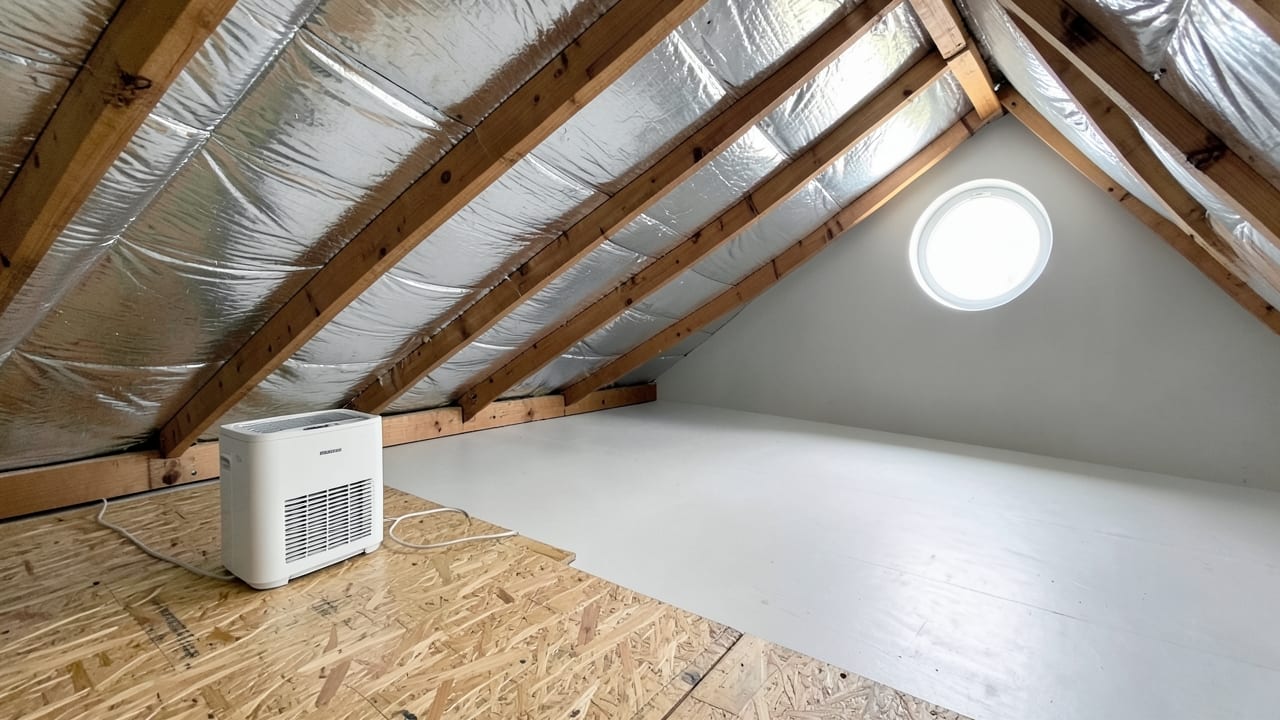
Pre-Winter Mold Prevention
Pre-winter mold prevention involves inspection and treatment to stop mold growth before cold weather.
As temperatures drop in Claymont, DE, moisture trapped in attics, basements, and crawl spaces can fuel mold growth before winter sets in. Pre-winter mold prevention focuses on sealing leaks, improving airflow, and applying treatments to vulnerable areas before spores spread.
Addressing these issues now helps protect your home’s structure and air quality before colder weather traps humidity indoors.
We also handle Sunroom Mold Remediation and Hallway Mold Remediation for Claymont properties.
When mold prevention becomes a priority
Mold growth often starts small but can quickly become a recurring problem if moisture sources aren’t addressed. In Claymont’s humid climate, areas like basements, window frames, and HVAC ducts are especially prone to dampness.
If you notice mold covering more than a small patch, returning after cleaning, or accompanied by a musty smell—especially when the furnace runs—it’s time to act before winter locks in the issue.
Hidden moisture sources, like leaks behind walls or poor grading outside, can keep feeding mold even after visible growth is removed. Without fixing these root causes, the problem often returns within months. Pre-winter prevention targets these underlying issues before they worsen in colder weather.
Signs You Need Pre-Winter Mold Prevention
- Mold covering more than 25 contiguous square feet (a common threshold for professional remediation).
- Visible mold returning in the same spot after cleaning, indicating an untreated moisture source.
- A musty odor with no visible mold, suggesting hidden growth in walls, ducts, or under flooring.
- Condensation or water stains on windows, ceilings, or exterior walls, signaling trapped humidity.
- Poor airflow in enclosed spaces like closets or windowless bathrooms, where dampness lingers.
What affects cost and timing?
Pre-winter mold prevention costs vary based on the size of the affected area, the extent of moisture damage, and whether hidden growth requires structural work.
In Claymont, typical remediation for standard mold ranges between $10 and $25 per square foot, while confirmed black mold cases can run 15–25% higher due to stricter containment and safety protocols.
Timing matters too—addressing issues before winter means less disruption from cold weather delays. However, jobs requiring structural drying or extensive moisture source repairs may take longer to complete. Clearance testing, which confirms spore levels are safe after work, is often billed separately and adds to the total cost.
Prevention vs. remediation: what’s the difference?
Remediation removes existing mold growth, but prevention stops it from returning by fixing moisture sources. For example, sealing a leaky roof or improving ventilation in a damp basement reduces humidity levels, making mold less likely to regrow. Skipping this step often leads to the same problem resurfacing within months.
Pre-winter prevention combines both approaches: addressing visible mold while also inspecting for hidden leaks, poor grading, or airflow issues. Industrial dehumidifiers and HEPA filtration ensure affected areas dry completely, and clearance testing verifies spore levels are back to normal before the space is closed up.
Removing mold without fixing the moisture source leaves materials exposed to the same conditions, leading to rapid regrowth. Always confirm the root cause is addressed before considering the job complete.
How pre-winter mold prevention works
- 1Containment Setup
Plastic sheeting and negative-air machines seal off the work area to prevent spores from spreading to unaffected parts of the home during removal.
- 2Material Removal or Cleaning
Porous materials like drywall or carpet padding—where mold grows deep—are cut out and bagged, while non-porous surfaces like tile or framing are scrubbed and treated.
- 3HEPA Filtration and Drying
HEPA air scrubbers run continuously to capture airborne spores, and industrial dehumidifiers dry framing and subfloors to normal moisture levels before reclosing the space.
- 4Clearance Testing
An independent lab tests air or surface samples to confirm spore counts are within safe ranges before containment is removed.
- 5Moisture Source Repair
Leaks, grading issues, or ventilation problems are fixed to prevent future mold growth, with follow-up humidity checks recommended for the first year.
Frequently asked questions
How do I know if my mold problem is beyond a DIY solution?
If mold covers more than 25 square feet, keeps returning after cleaning, or you notice a musty smell with no visible source, it’s likely time for professional remediation. Hidden growth—like behind walls or in ducts—often requires containment and specialized equipment to address safely.
Will pre-winter prevention stop mold from coming back?
Fixing moisture sources like leaks or poor ventilation significantly reduces the risk of regrowth, but no method is foolproof. Periodic humidity checks in previously affected areas help catch early signs of recurrence before they spread.
Why does clearance testing matter if the mold is gone?
Clearance testing confirms spore levels are safe after remediation, ensuring no hidden growth remains. Without it, there’s no independent verification that the space is truly clear, which could lead to lingering health concerns or future outbreaks.
How long does the entire process take from start to finish?
Timing varies by job scope, but containment, removal, drying, and testing typically take 3–7 days. Structural repairs or extensive moisture source fixes may extend this timeline, especially in colder weather.
Where Claymont sits, and what the Census lists nearby
Claymont sits in Delaware, and the closest places listed in the U.S. Census Gazetteer are Ardentown (1.1 miles west), Ardencroft (1.4 miles west), Arden (1.6 miles west), Boothwyn, PA (2.4 miles north). Within 25 miles of Claymont the same source lists 187 distinct incorporated places and census-designated places.
Those figures matter for pre-winter mold prevention because they are straight-line distances between Census coordinate points: road mileage between Claymont and Ardentown runs longer than the 1.1 miles shown, which is why quotes for the same job differ between towns that look close together on a map.
Source: U.S. Census Bureau Gazetteer.
See Newport, DE for more, or check out the rest of our Claymont lineup by neighborhood for our complete lineup.
Ready to get started?
Talk to a local mold remediation pro in Claymont — get a written quote.
Other Mold Remediation Services in Claymont
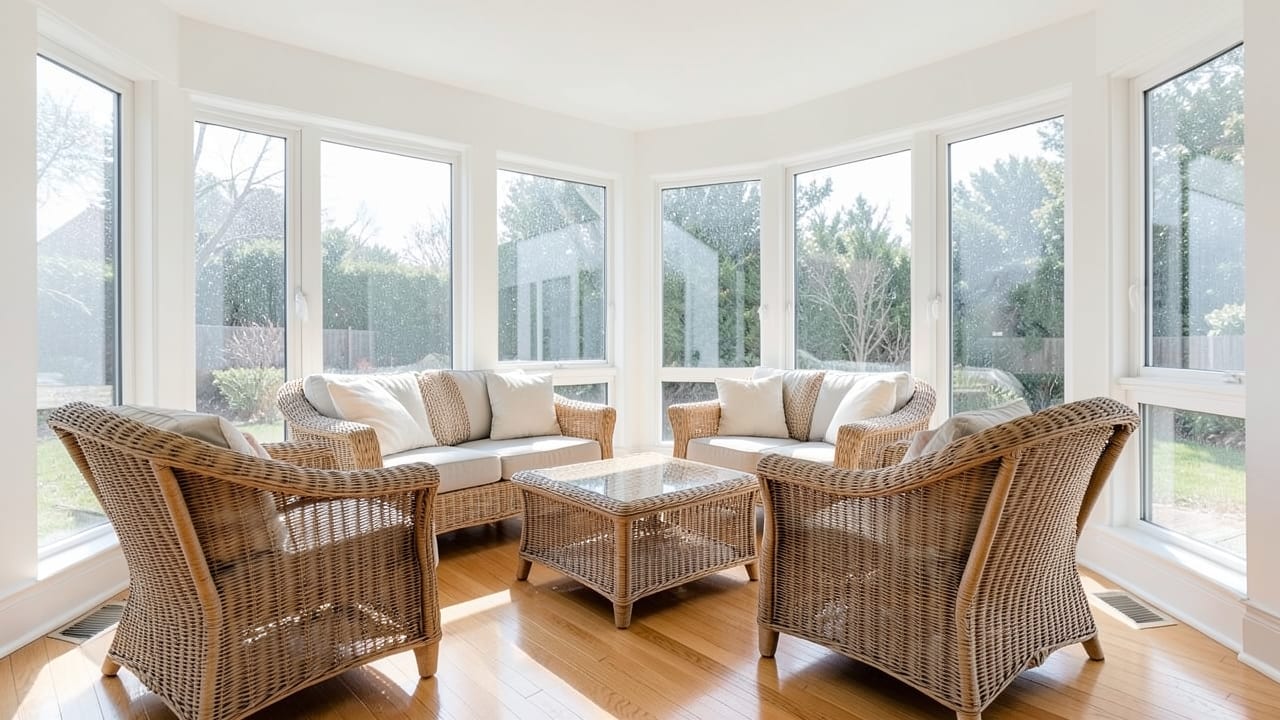
Sunroom Mold Remediation in Claymont, DE
Professional removal and treatment of mold in sunrooms to restore a safe, clean space.
Learn More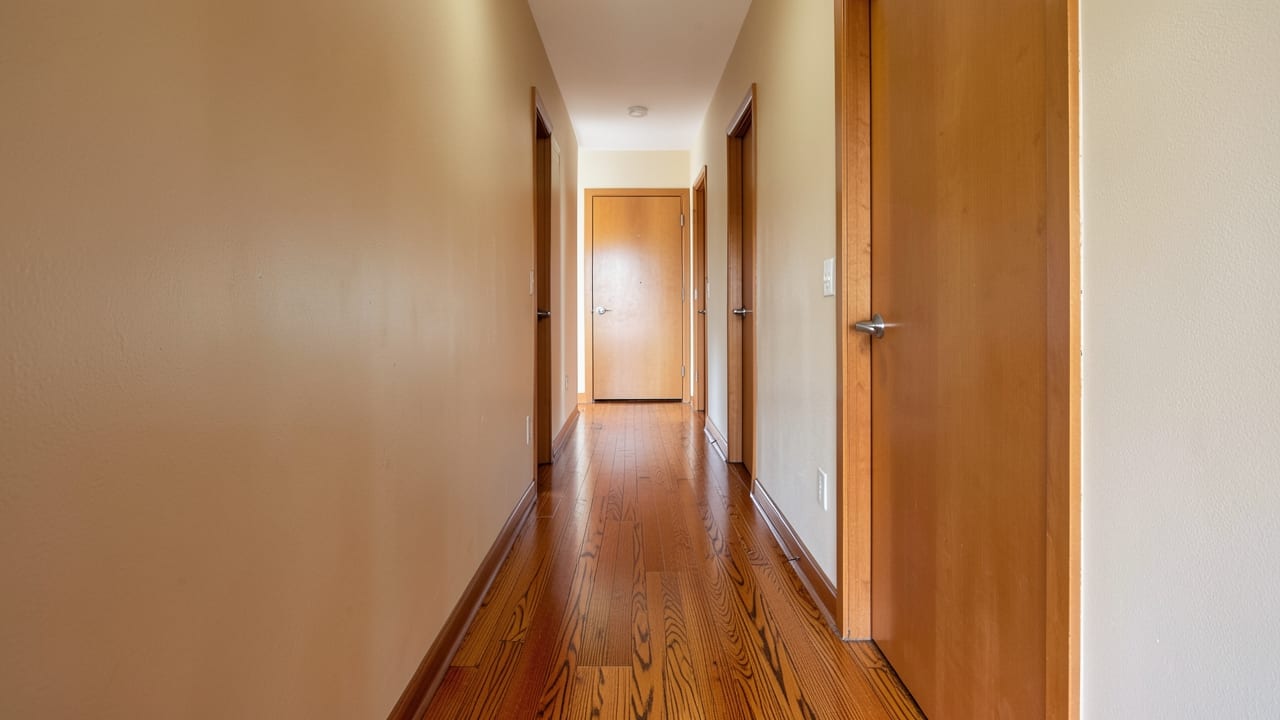
Hallway Mold Remediation in Claymont, DE
Professional removal and treatment of mold growth in residential hallways.
Learn More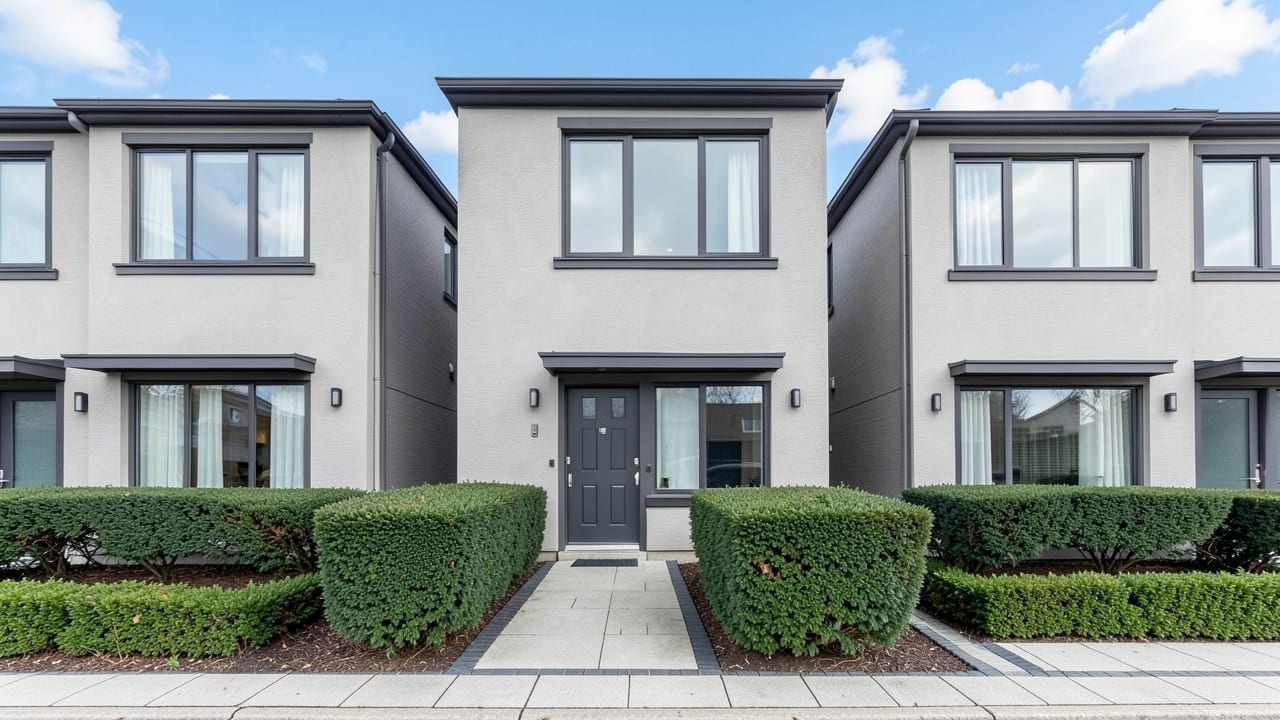
HOA Mold Remediation in Claymont, DE
Professional mold removal and remediation for HOA properties to restore safe, healthy living conditions.
Learn More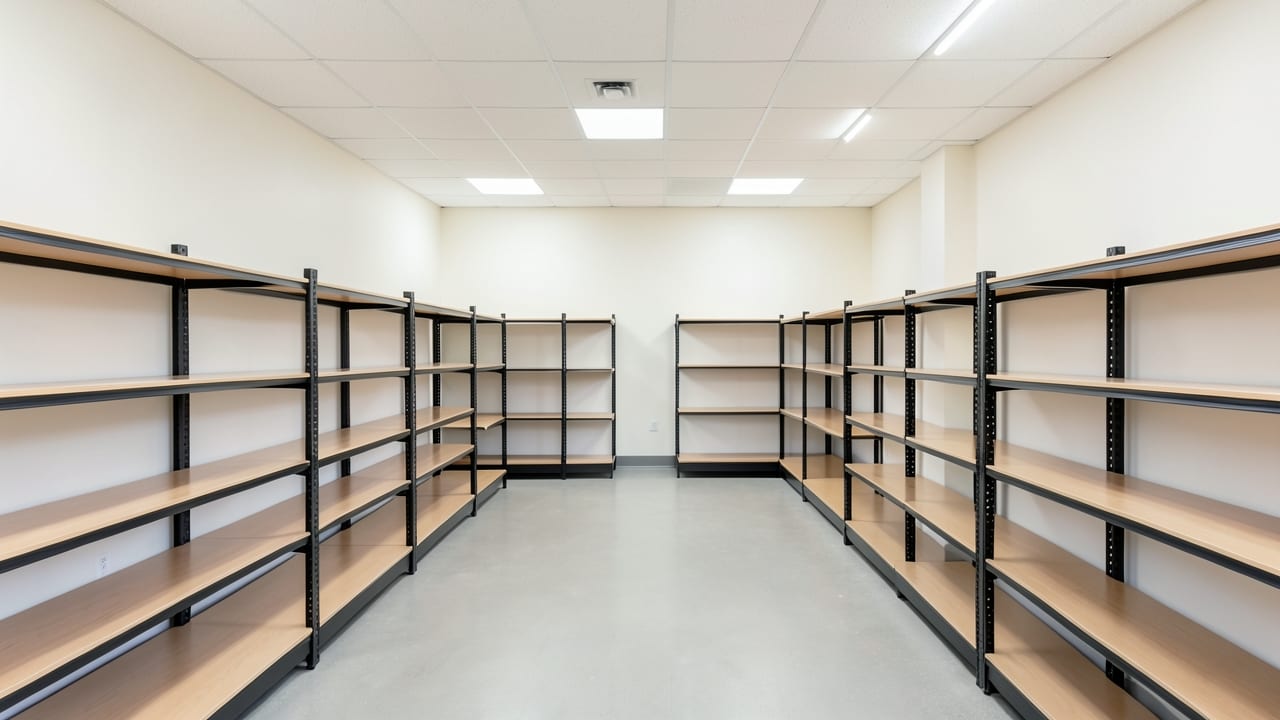
Retail Store Mold Remediation in Claymont, DE
Professional mold removal and remediation for retail stores to restore safe, clean environments.
Learn More
Clinic Mold Remediation in Claymont, DE
Professional mold removal and remediation to restore safe, healthy indoor spaces.
Learn More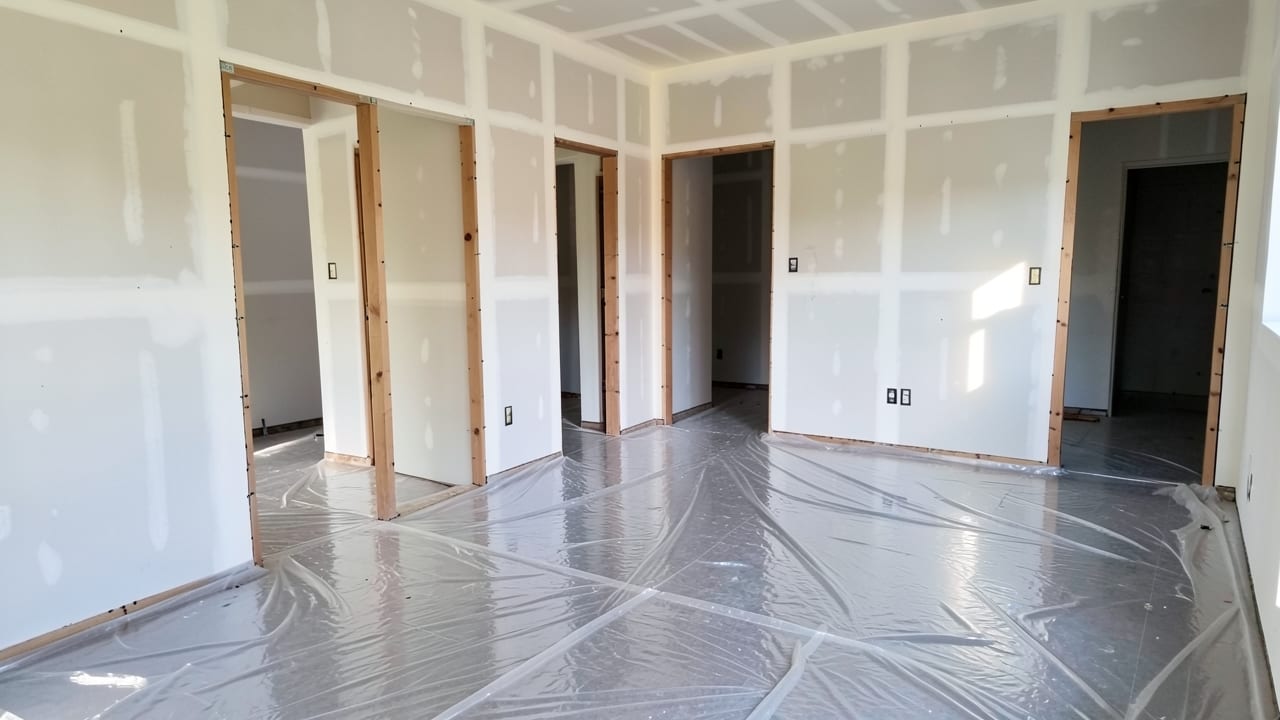
New Construction Mold Remediation in Claymont, DE
Professional mold removal and prevention in newly built homes to ensure safe, clean living spaces.
Learn MoreCommon Questions About Mold Remediation in Claymont
Everything you need to know about mold remediation services in Claymont
How much does Pre-Winter Mold Prevention typically cost in Claymont, DE?
Why does Claymont, DE's humidity make mold a bigger risk than in drier regions?
Does mold mean the same thing as mildew?
Does homeowners insurance typically cover mold remediation?
Is black mold actually more dangerous than other mold types?
How long does a typical mold remediation job take?
Need Mold Remediation in Claymont?
Connect with local providers in Claymont for a detailed quote.
⏰ We answer your call • Serving all of Claymont and surrounding areas