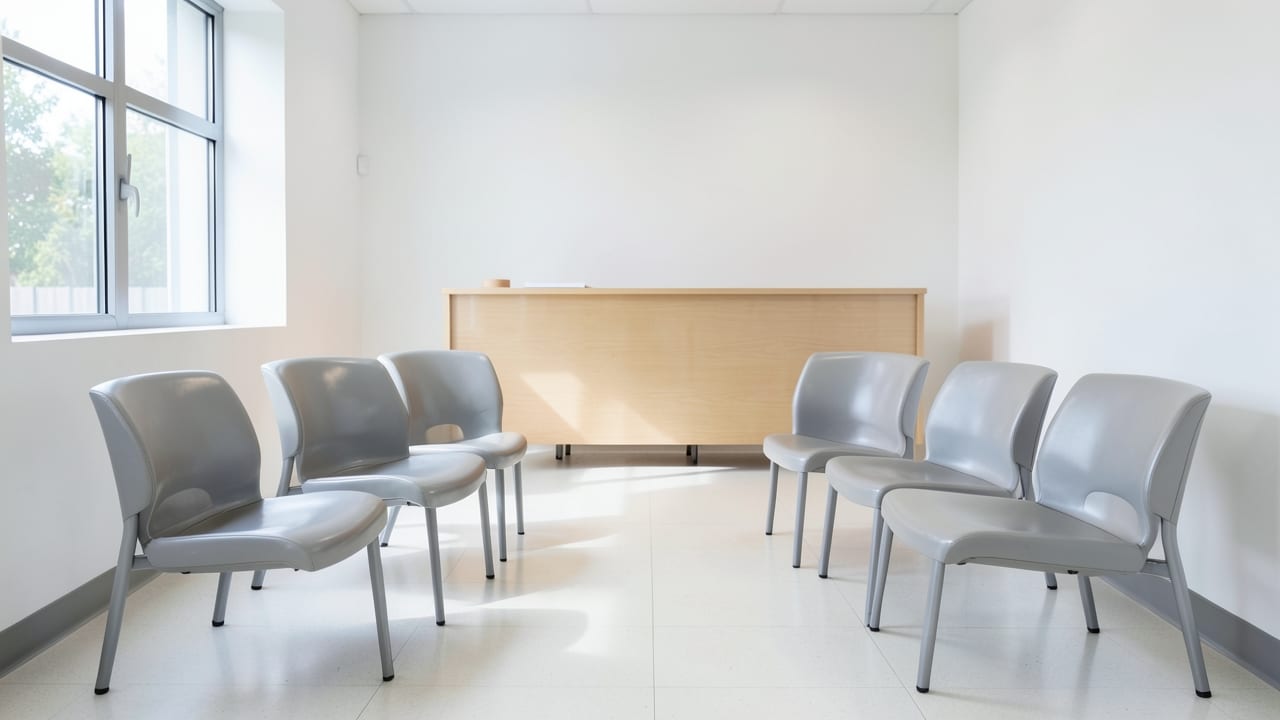
Clinic Mold Remediation
Professional mold removal and remediation to restore safe, healthy indoor spaces.
Clinic Mold Remediation in Claymont, DE specializes in safely removing mold from homes by containing the affected area, removing contaminated materials, and treating surfaces to prevent regrowth. Their process follows industry standards to minimize airborne spores and address moisture sources that cause mold to return.
When to call for mold remediation
Mold growth in your home can often be identified by visible signs, persistent odors, or recurring issues after cleaning. If mold covers more than a small, isolated patch—especially over 25 square feet—it’s typically beyond a DIY fix and requires professional intervention.
We also handle Hospital Mold Removal and Warehouse Mold Cleanup for Claymont properties.
Growth that keeps returning in the same spot often signals an unresolved moisture problem, while a musty smell with no visible mold may indicate hidden growth behind walls or under flooring.
Clinic Mold Remediation helps homeowners in Claymont assess whether their mold issue requires professional treatment. Their trained technicians evaluate the extent of the problem and recommend the most effective approach to ensure a thorough cleanup and long-term prevention.
Signs You May Need Professional Mold Remediation
- Mold covers more than 25 square feet in a single area
- Growth returns within weeks after cleaning
- Musty odor persists with no visible mold
- Mold appears in multiple rooms or hidden areas (e.g., behind walls, under flooring)
- You notice spores or mold in HVAC vents or ductwork
What affects mold remediation pricing?
The cost of mold remediation depends on several factors, including the size of the affected area, the materials involved, and the complexity of the job.
For example, removing mold from porous materials like drywall or carpet padding often requires replacement, while non-porous surfaces like tile or metal may only need cleaning and treatment. The need for containment, air scrubbing, and clearance testing also influences the total cost.
Unlike commercial projects, residential mold remediation in Claymont is typically priced per project rather than by square footage alone. Factors like the moisture source’s location, accessibility of affected areas, and whether hidden mold is discovered during the process can all impact the final price.
What to expect during remediation
During the remediation process, Clinic Mold Remediation takes steps to contain the mold and prevent spores from spreading to other parts of your home. This includes sealing off the work area with plastic sheeting and using negative-air machines to keep spores localized.
Porous materials that cannot be effectively cleaned—like drywall or insulation—are removed and replaced, while non-porous surfaces are treated to inhibit regrowth.
After removal, industrial dehumidifiers and air movers dry the affected area to prevent moisture buildup, which is critical for stopping mold from returning. A final clearance test confirms that spore levels are back to normal before the containment is removed, ensuring the job is complete.
Skipping proper containment during mold removal can spread spores to unaffected areas of your home, turning a small job into a much larger problem. Negative air pressure and sealed plastic barriers are essential to keep spores from migrating through hallways or HVAC systems.
How mold remediation works
A professional mold remediation process follows strict steps to safely remove growth and prevent recurrence.
- 1Containment Setup
The work area is sealed off with plastic sheeting and negative-air machines to prevent spores from spreading to other parts of the home during removal.
- 2Material Removal or Treatment
Porous materials like drywall and insulation that absorb mold are cut out and bagged, while non-porous surfaces like framing and tile are cleaned and treated to inhibit regrowth.
- 3HEPA Filtration and Cleanup
HEPA-filtered air scrubbers run continuously to capture airborne spores, and surfaces are vacuumed with HEPA-equipped tools to ensure spores are not recirculated.
- 4Structural Drying
Industrial dehumidifiers and air movers dry the affected area to normal moisture levels, preventing mold from returning due to lingering dampness.
- 5Clearance Testing
An independent lab tests air or surface samples to confirm spore levels are back to normal before containment is removed and the area is considered finished.
Frequently asked questions
Can I clean small mold patches myself, or should I call a professional?
Small, isolated patches of mold (under 25 square feet) can often be cleaned with household products like vinegar or bleach. However, if the mold covers a larger area, keeps returning, or you notice hidden growth, professional remediation is recommended to ensure thorough removal and prevention.
How long does the mold remediation process take?
The duration depends on the size and complexity of the job, but most residential remediations take between 1 and 3 days. Containment setup, removal, drying, and clearance testing are all factored into the timeline.
Will my home need to be vacated during remediation?
In most cases, you can remain in your home during mold remediation, especially if the affected area is contained. However, if the mold is severe or located in high-traffic areas, your technician may recommend temporarily relocating to minimize exposure.
How can I prevent mold from coming back after remediation?
Fixing the moisture source—such as leaks, condensation, or poor ventilation—is the best way to prevent regrowth. Using dehumidifiers in persistently damp areas and ensuring proper airflow can also help keep mold from returning.
Where Claymont sits, and what the Census lists nearby
Claymont sits in Delaware, and the closest places listed in the U.S. Census Gazetteer are Ardentown (1.1 miles west), Ardencroft (1.4 miles west), Arden (1.6 miles west), Boothwyn, PA (2.4 miles north). Within 25 miles of Claymont the same source lists 187 distinct incorporated places and census-designated places.
Those figures matter for clinic mold remediation because they are straight-line distances between Census coordinate points: road mileage between Claymont and Ardentown runs longer than the 1.1 miles shown, which is why quotes for the same job differ between towns that look close together on a map.
Source: U.S. Census Bureau Gazetteer.
See Chester, PA for more, or discover our full crew's Claymont services on a single page for our complete lineup.
Ready to get started?
Talk to a local mold remediation pro in Claymont — get a written quote.
Other Mold Remediation Services in Claymont
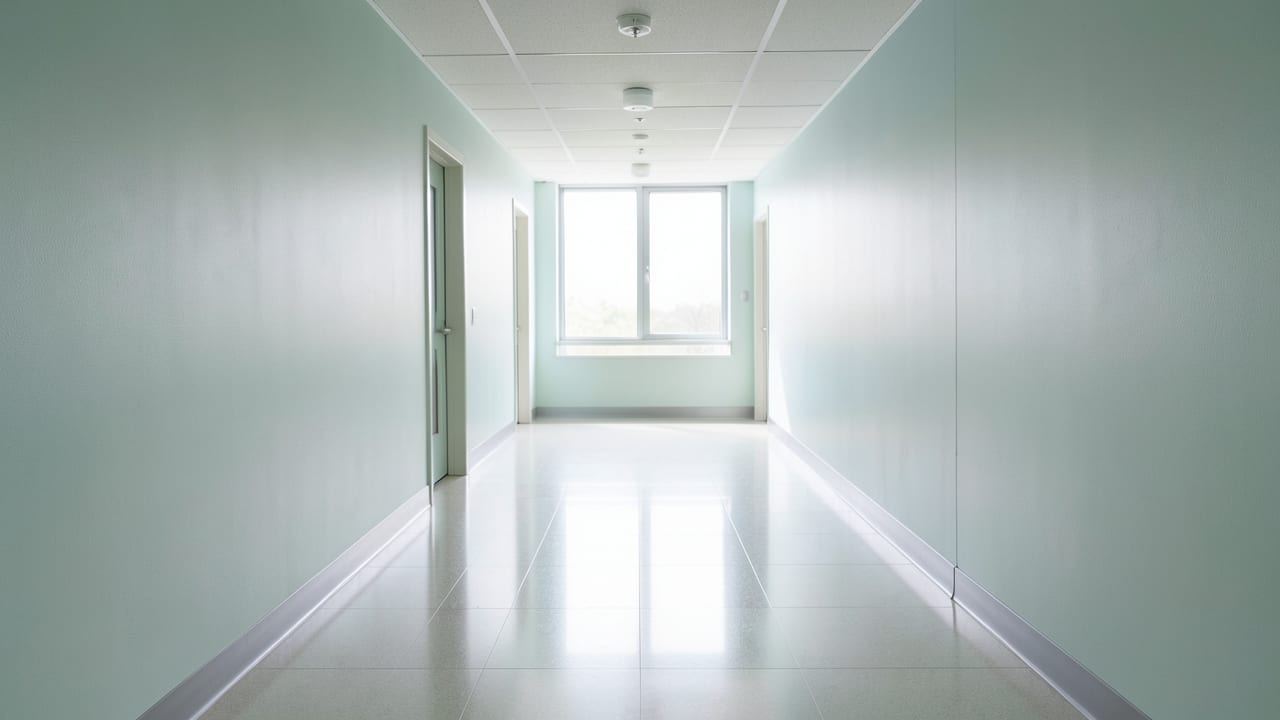
Hospital Mold Removal in Claymont, DE
Professional assessment and removal of mold in hospitals to ensure a safe, healthy environment.
Learn More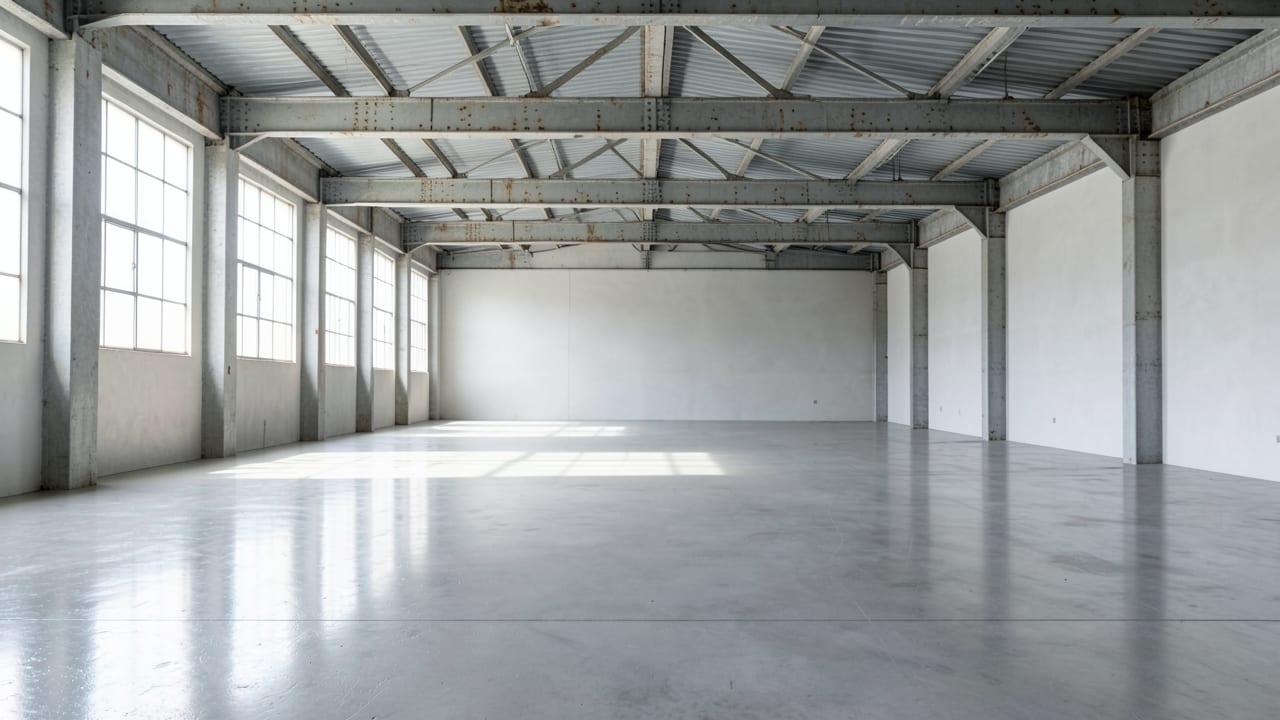
Warehouse Mold Cleanup in Claymont, DE
Professional removal of mold from warehouse spaces to restore safe, clean conditions.
Learn More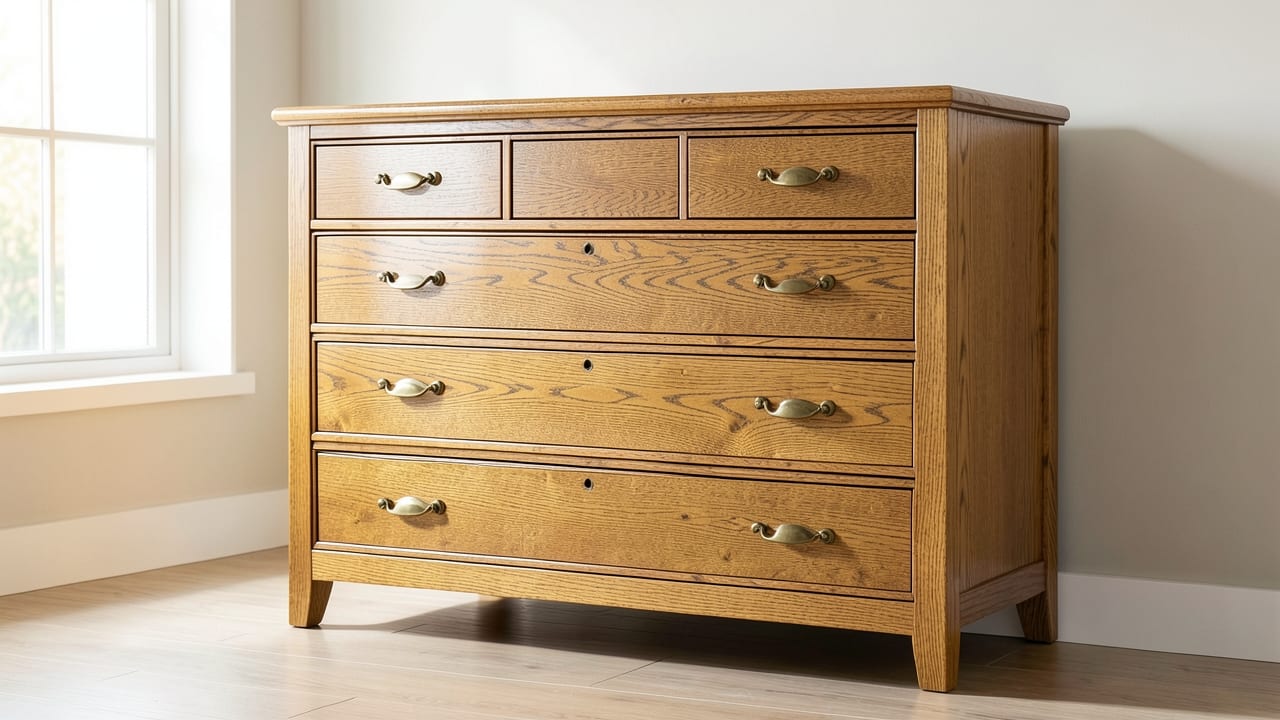
Wood Furniture Mold Remediation in Claymont, DE
Professional removal and treatment of mold from wood furniture to restore safety and appearance.
Learn More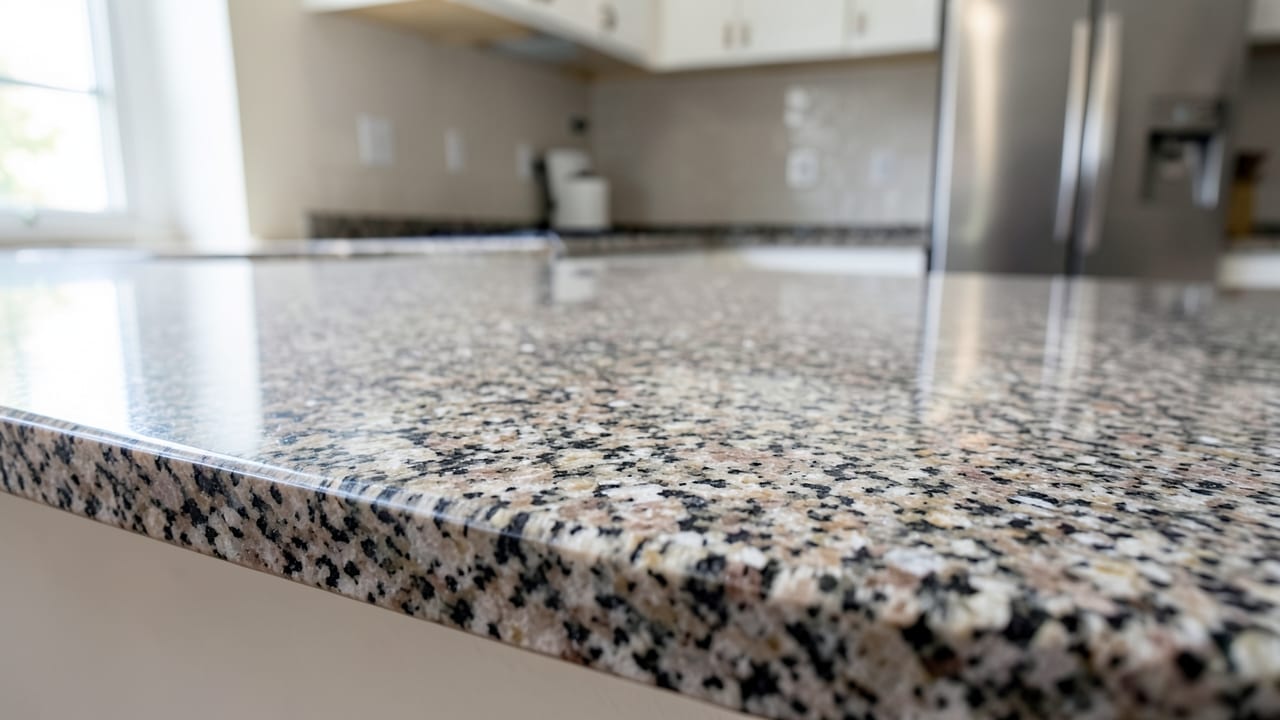
Stone Countertop Mold Removal in Claymont, DE
Professional removal of mold from stone countertops using specialized cleaning and treatment methods.
Learn More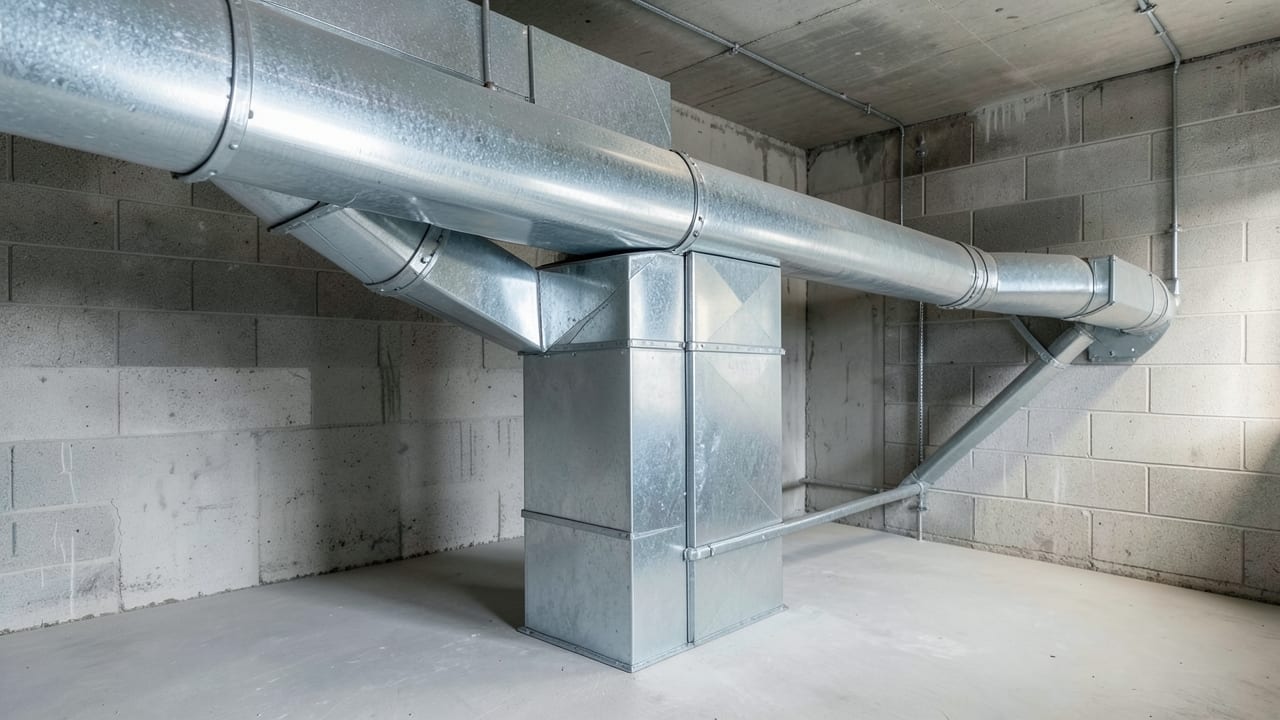
Metal Ductwork Mold Remediation in Claymont, DE
Professional removal of mold from metal ductwork to restore indoor air quality.
Learn More
Stairwell Mold Remediation in Claymont, DE
Professional mold removal and prevention in stairwells to restore safe, clean spaces.
Learn MoreCommon Questions About Mold Remediation in Claymont
Everything you need to know about mold remediation services in Claymont
How much does Clinic Mold Remediation typically cost in Claymont, DE?
Why does Claymont, DE's humidity make mold a bigger risk than in drier regions?
What's the actual difference between mold removal and mold remediation?
Is a final clearance test part of a typical mold remediation job?
How does mold remediation actually prevent the problem from coming back?
Can mold growing inside HVAC ductwork spread to the rest of a home?
Need Mold Remediation in Claymont?
Connect with local providers in Claymont for a detailed quote.
⏰ We answer your call • Serving all of Claymont and surrounding areas