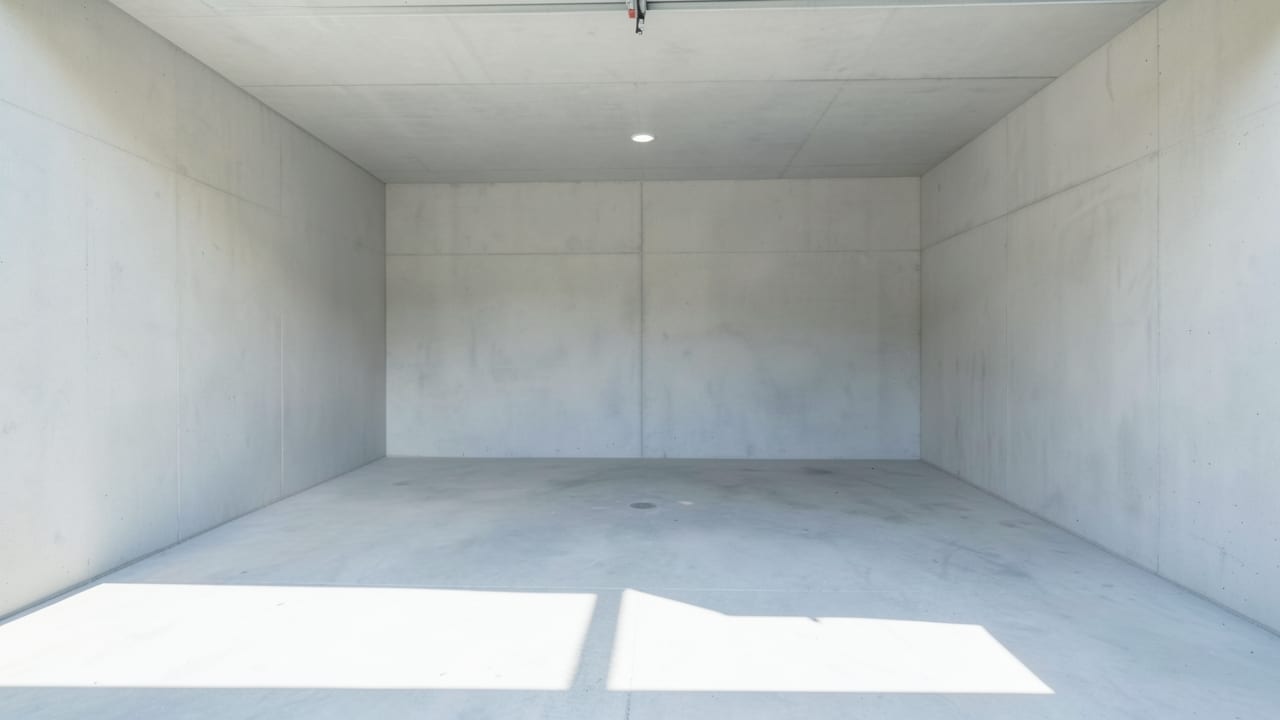
Garage Mold Removal
Professional assessment and removal of mold growth in garages to restore a safe, clean space.
Garage mold removal in Claymont, DE addresses dampness-related mold growth that thrives in poorly ventilated spaces like garages, sheds, and unfinished basements. Without proper intervention, mold spreads, damages materials, and can affect indoor air quality.
Professional remediation includes containment, removal of contaminated materials, HEPA filtration, and moisture control to prevent regrowth.
We also handle Crawl Space & Basement Mold Remediation and Attic Mold Remediation for Claymont properties.
When to call for garage mold removal
Mold in your garage may start as a small, isolated patch, but certain signs indicate it’s time for professional help. Visible mold covering more than a few square feet, recurring growth after cleaning, or a persistent musty smell—even without visible mold—suggest hidden moisture or extensive contamination.
These are clear indicators that DIY methods may not fully resolve the issue.
Poor ventilation, leaks, or condensation are common causes of garage mold. If the problem keeps returning or spreads despite cleaning, the moisture source likely hasn’t been addressed. Professional remediation focuses on removing mold and fixing the underlying issue to help prevent future growth.
Signs You Need Professional Garage Mold Removal
- Mold covering more than a small, isolated patch (typically over 25 contiguous square feet).
- Growth that keeps returning in the same spot after cleaning attempts.
- A musty smell with no visible mold, especially if it worsens when the HVAC system runs.
- Visible mold on structural materials like framing or subflooring, which may require removal rather than cleaning.
What affects pricing and scope?
The cost of garage mold removal depends on factors like the size of the affected area, the type of mold, and the materials involved. Surface-level mold on drywall or tile typically falls within a predictable range, but hidden mold or structural damage can increase costs.
Understanding these variables helps set realistic expectations for the work ahead.
Pricing also varies based on whether containment, clearance testing, or moisture source repairs are included. A low initial quote may exclude critical steps, leading to higher costs later if the mold returns. Always confirm what’s included before committing to a provider.
What to ask before hiring a mold remediation service
Not all mold removal services operate the same way, and the details matter when it comes to effectiveness and long-term results. Asking the right questions upfront helps you compare providers and avoid unexpected costs or incomplete work.
Clarity on containment, testing, and moisture source repairs ensures the job is done thoroughly.
Avoid providers who rush the inspection, skip containment, or don’t mention clearance testing. A written scope of work and transparent pricing protect you from surprises and ensure the job aligns with your expectations.
| Question to Ask | Why It Matters |
|---|---|
| Does the estimate include inspection, containment, remediation, and clearance testing? | Containment and testing are often priced separately; a low quote may exclude critical steps. |
| Is a written scope of work provided before any work starts? | A written scope protects against price increases or missing services once demolition begins. |
| Does the estimate specify the square footage or area being treated? | Vague estimates make it hard to compare bids fairly. |
| Will a third-party lab test confirm clearance after the work? | Independent testing verifies the job was completed effectively. |
| What happens if hidden mold is found during the job? | Change-order pricing after demolition is a common source of disputes. |
How garage mold removal works
Professional garage mold removal follows a structured process to safely eliminate mold and prevent regrowth.
- 1Containment Setup
Plastic sheeting and negative-air machines seal off the work area to prevent mold spores from spreading to uncontaminated spaces during removal.
- 2Material Removal and Cleaning
Porous materials like drywall and insulation, which absorb mold, are cut out and bagged inside containment. Non-porous surfaces like framing and tile are scrubbed and treated.
- 3HEPA Filtration and Drying
HEPA air scrubbers run continuously to capture airborne spores, and surfaces are vacuumed with HEPA-filtered equipment. Industrial dehumidifiers and air movers dry structural materials to normal moisture levels.
- 4Clearance Testing
An independent lab tests air or surfaces post-remediation to confirm spore counts are within normal ranges before containment is removed.
- 5Moisture Source Repair
Addressing leaks, condensation, or grading issues helps prevent future mold growth by eliminating the underlying moisture problem.
Frequently asked questions
How do I know if my garage mold is too much for a DIY clean?
If mold covers more than a small, isolated patch (typically over 25 square feet), keeps returning after cleaning, or you notice a musty smell with no visible mold, it’s likely time for professional remediation. Hidden mold or structural damage often requires expert intervention.
Will the mold come back if the remediation team fixes the moisture issue?
Fixing the moisture source is critical to preventing regrowth, but results depend on whether the issue was fully addressed. Checking humidity levels in the garage periodically during the first year helps catch early signs of recurrence.
Do I need to leave the house during the garage mold removal process?
Containment is designed to keep spores from spreading, so you typically don’t need to leave. However, the team may advise limiting time in the area until clearance testing confirms the work is complete.
How long does the entire garage mold removal process usually take?
The timeline varies based on the size of the affected area and the extent of contamination. Containment, removal, drying, and testing can take anywhere from a few days to over a week, depending on the scope.
Where Claymont sits, and what the Census lists nearby
Claymont sits in Delaware, and the closest places listed in the U.S. Census Gazetteer are Ardentown (1.1 miles west), Ardencroft (1.4 miles west), Arden (1.6 miles west), Boothwyn, PA (2.4 miles north). Within 25 miles of Claymont the same source lists 187 distinct incorporated places and census-designated places.
Those figures matter for garage mold removal because they are straight-line distances between Census coordinate points: road mileage between Claymont and Ardentown runs longer than the 1.1 miles shown, which is why quotes for the same job differ between towns that look close together on a map.
Source: U.S. Census Bureau Gazetteer.
See Bellefonte, DE for more, or browse the full mold remediation lineup we run in Claymont in full for our complete lineup.
Ready to get started?
Talk to a local mold remediation pro in Claymont — get a written quote.
Other Mold Remediation Services in Claymont
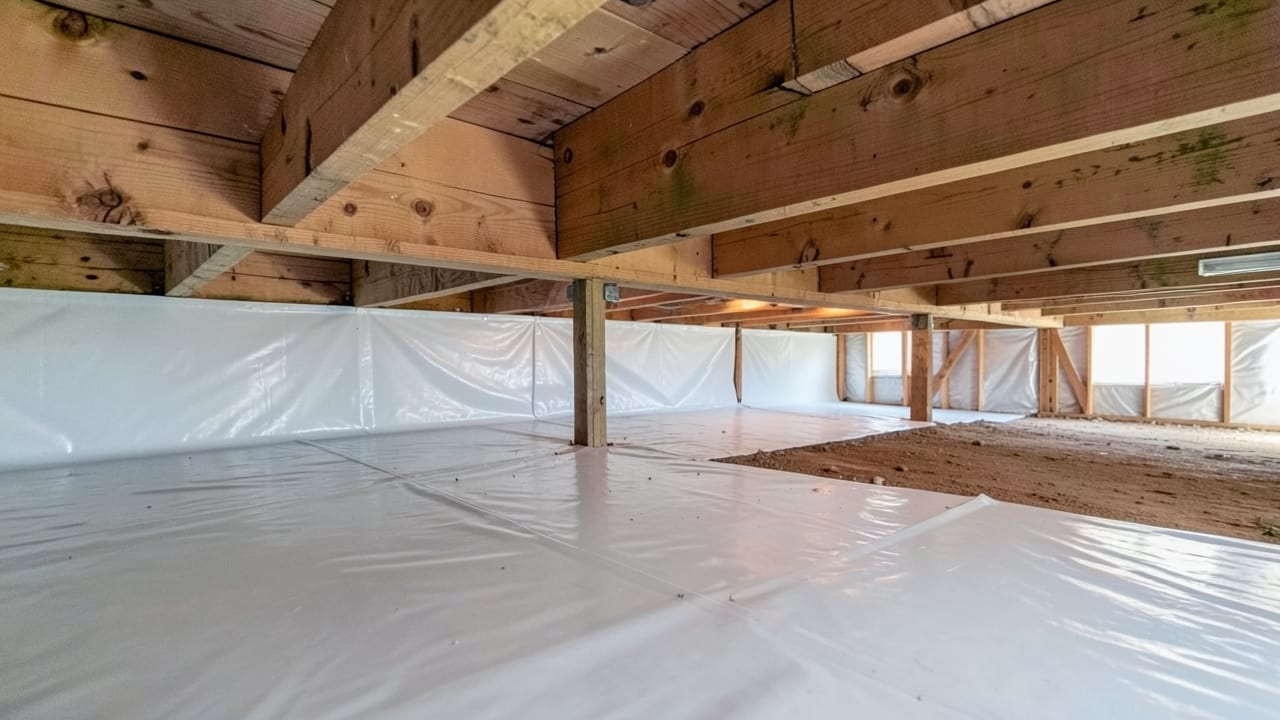
Crawl Space & Basement Mold Remediation in Claymont, DE
Crawl space and basement mold remediation in Claymont, DE addresses the two areas of a property most prone to trapped, unnoticed moisture.
Learn More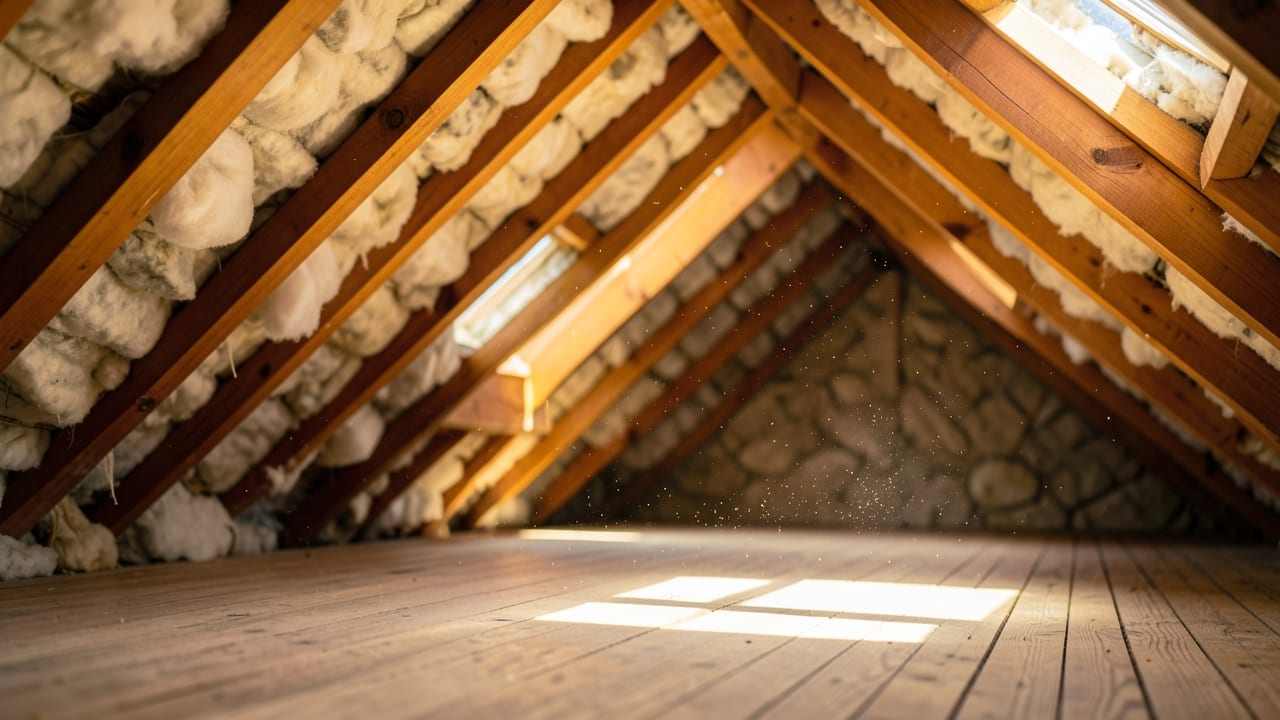
Attic Mold Remediation in Claymont, DE
Attic mold remediation in Claymont, DE addresses roof-deck growth typically caused by poor ventilation or a hidden roof leak.
Learn More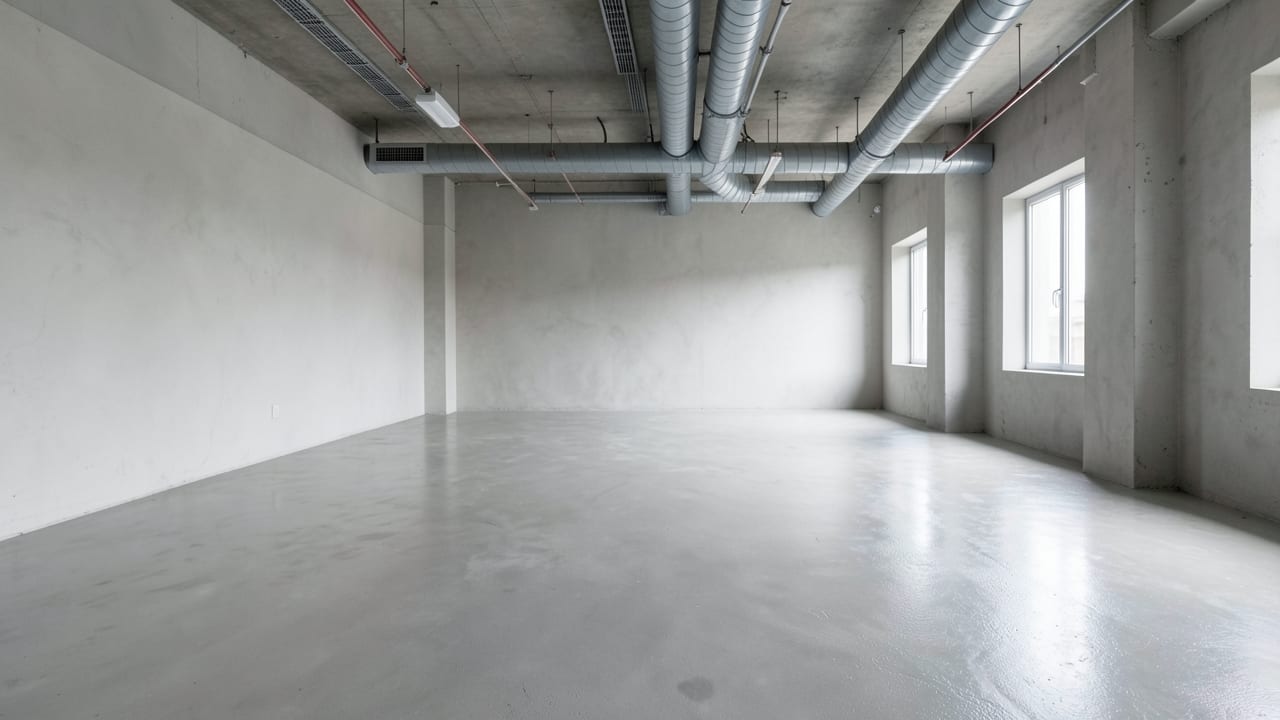
Commercial Mold Remediation in Claymont, DE
Commercial mold inspection and remediation in Claymont, DE for offices, retail space, and multi-unit properties, scheduled around business operations.
Learn More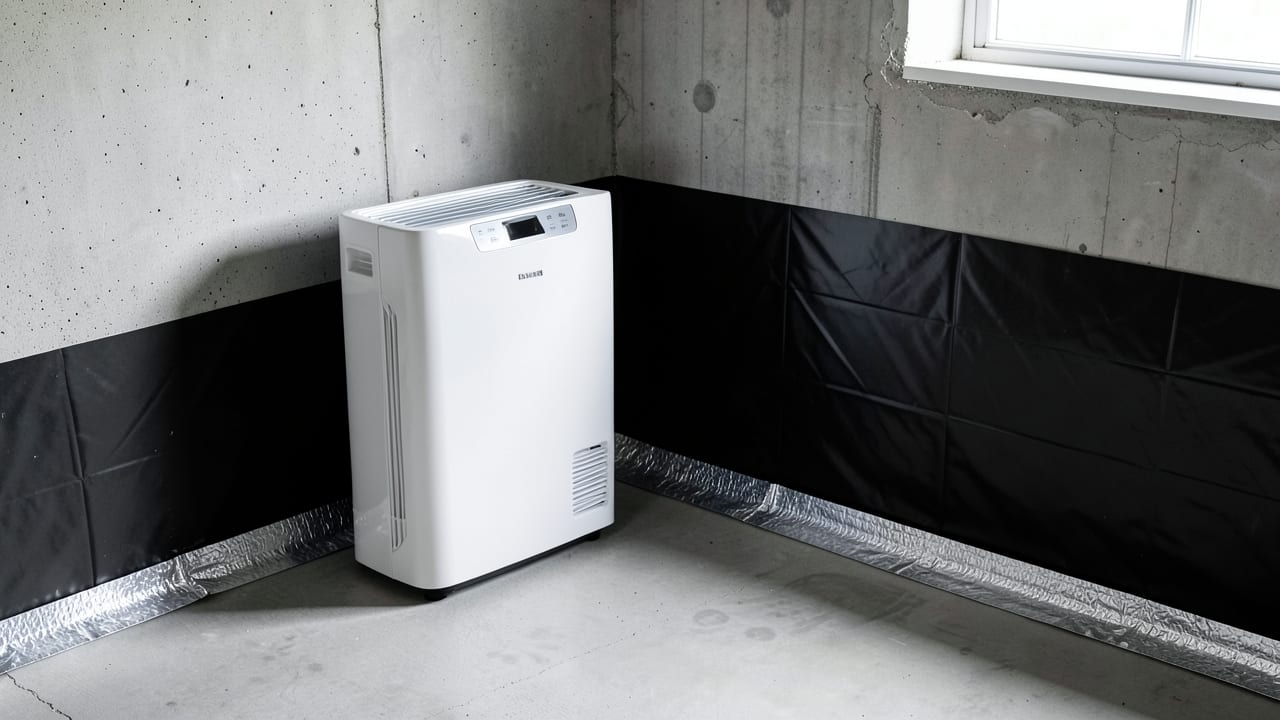
Mold Prevention & Moisture Control in Claymont, DE
Mold prevention and moisture control in Claymont, DE — addressing ventilation, humidity, and drainage before growth starts, not after.
Learn More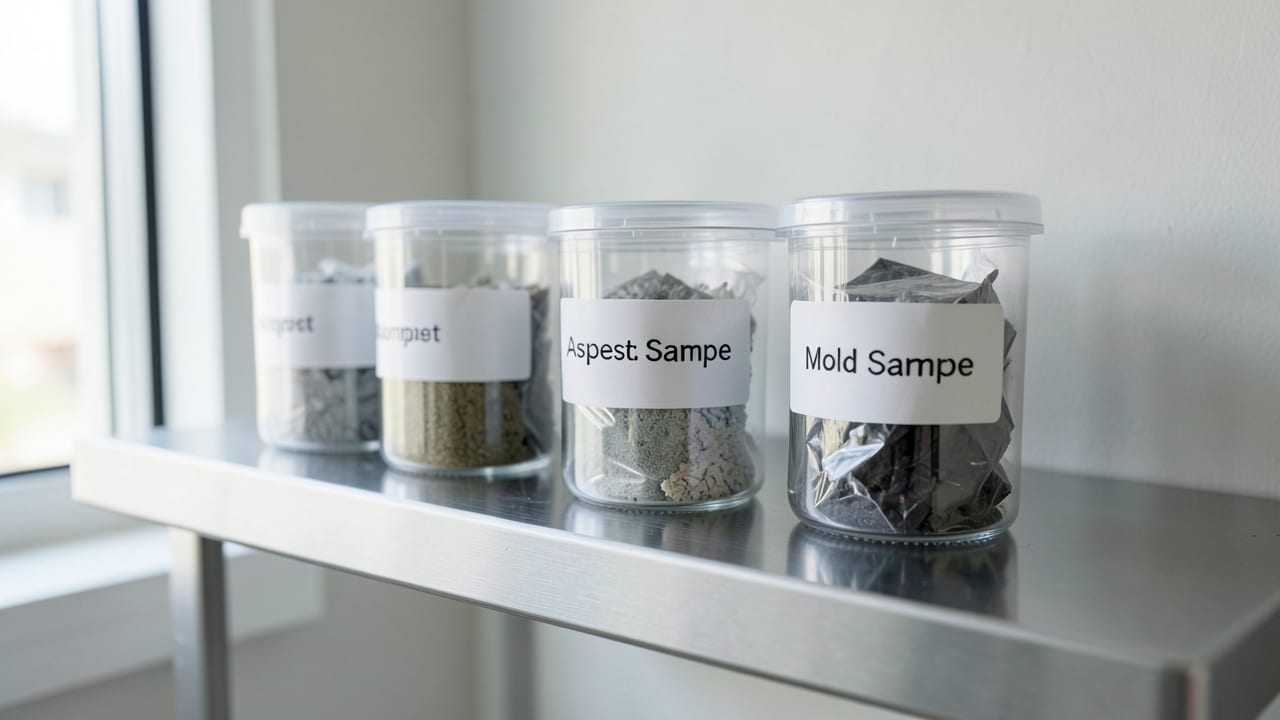
Mold & Asbestos Testing in Claymont, DE
Combined mold and asbestos testing in Claymont, DE — one inspection visit, lab-verified results for both.
Learn More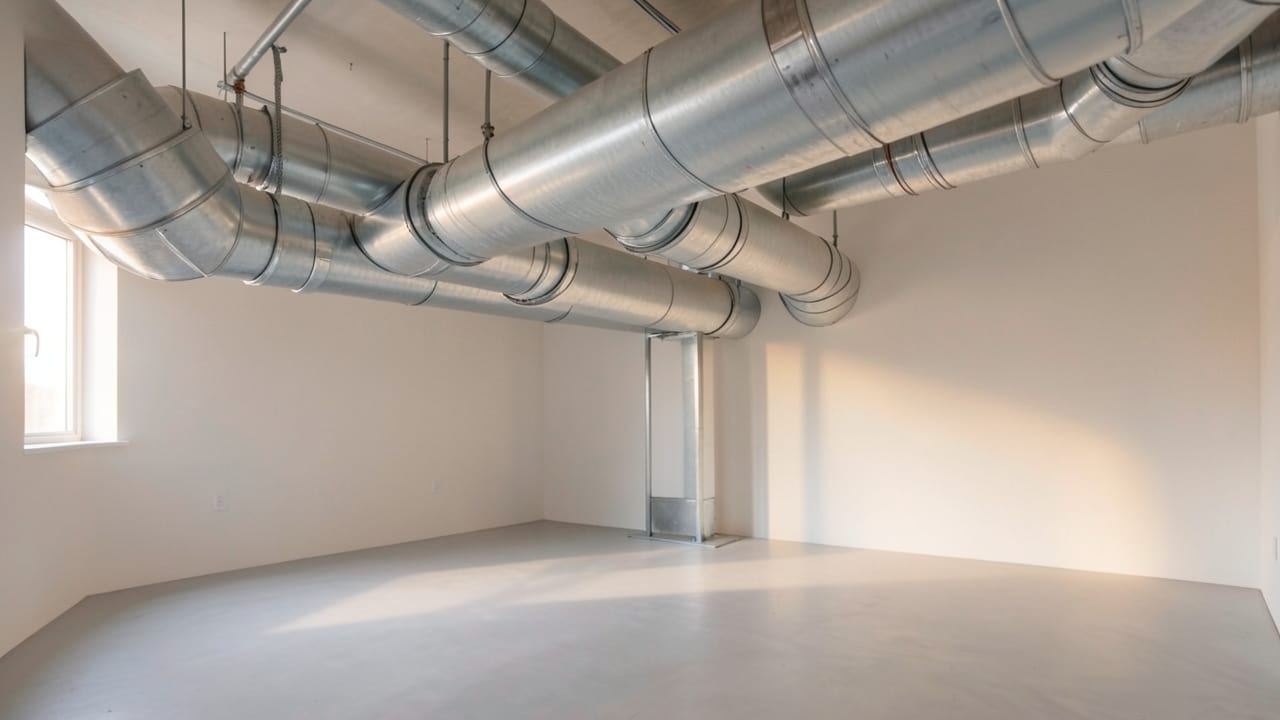
HVAC Mold Remediation in Claymont, DE
HVAC and ductwork mold remediation in Claymont, DE — mold growing inside the air handler or duct system, spreading through every vent.
Learn MoreCommon Questions About Mold Remediation in Claymont
Everything you need to know about mold remediation services in Claymont
How much does Garage Mold Removal typically cost in Claymont, DE?
Why does Claymont, DE's humidity make mold a bigger risk than in drier regions?
How does mold remediation actually prevent the problem from coming back?
Can mold growing inside HVAC ductwork spread to the rest of a home?
Does mold mean the same thing as mildew?
Does homeowners insurance typically cover mold remediation?
Need Mold Remediation in Claymont?
Connect with local providers in Claymont for a detailed quote.
⏰ We answer your call • Serving all of Claymont and surrounding areas