Claymont’s Trusted Process: From Mold Removal to Clearance Certification
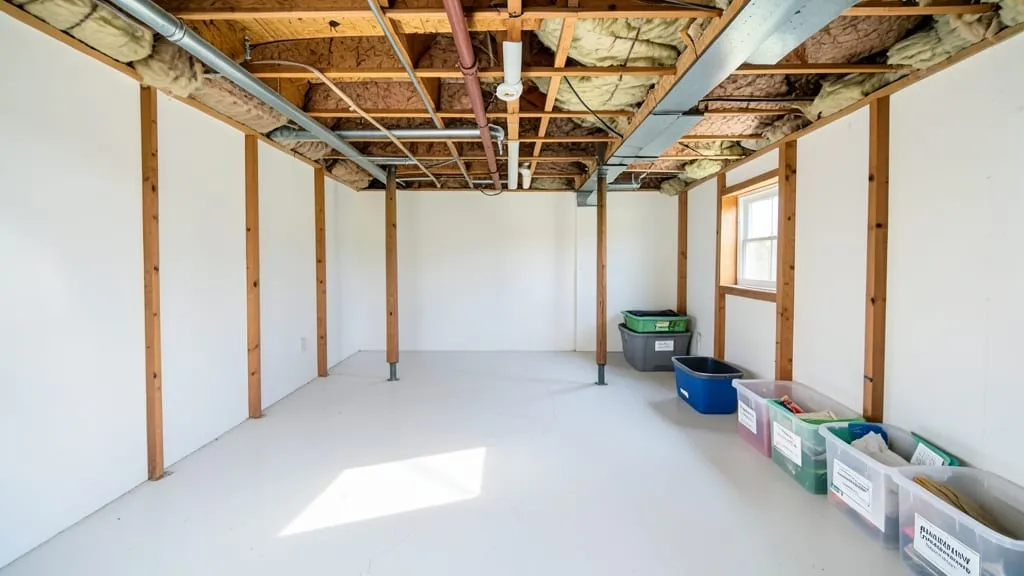
Mold doesn’t just damage property—it threatens health and structural integrity. Our Claymont team follows a rigorous, code-compliant process from initial containment to final clearance certification, ensuring your space is safe and mold-free for the long term.
Why Clearance Certification Matters in Mold Remediation
Clearance certification is the only way to confirm remediation success. Without it, hidden spores can regrow, especially in humid Delaware climates where moisture lingers in basements, attics, and crawl spaces.
Third-party inspectors verify air and surface samples meet EPA and IICRC S520 standards. This step is non-negotiable for commercial properties and rental units in Claymont, Wilmington, or New Castle.
Skipping clearance testing risks incomplete remediation. Many DIY attempts fail because spores remain in HVAC systems or behind walls, leading to costly callbacks.
Step 1: Containment and Safety Protocols
We start by isolating the affected area with 6-mil polyethylene sheeting and negative air pressure machines. This prevents spores from spreading to clean zones during removal.
Our team wears full PPE—respirators, gloves, and disposable suits—to protect against mycotoxins. In Claymont’s older homes, we often integrate asbestos testing before disturbing materials.
Mold Removal: Beyond Surface Cleaning
Scrubbing visible mold with bleach only addresses the tip of the iceberg. We use HEPA vacuums, antimicrobial treatments, and, in severe cases, controlled demolition to remove contaminated drywall or insulation.
For attic or crawl space mold in Claymont, Bellefonte, or Hockessin, we prioritize addressing the root cause: poor ventilation, roof leaks, or high humidity.
| Surface | Method | Notes |
|---|---|---|
| Non-porous (glass, metal) | HEPA vacuum + antimicrobial wipe | No demolition needed |
| Porous (drywall, carpet) | Controlled removal + disposal | Often requires replacement |
| HVAC systems | Duct cleaning + fogging | Prevents system-wide contamination |
| Wood (structural) | Sandblasting or encapsulation | Depends on depth of infestation |
Addressing Hidden Moisture Sources
Mold thrives in damp, dark areas. In Claymont’s basement-heavy neighborhoods like Edgemoor or Arden, we use thermal imaging and moisture meters to detect leaks behind walls or under flooring.
Common culprits include faulty sump pumps, poor grading, or condensation from uninsulated pipes. Without fixing these, mold will return within weeks.
Moisture Control Checklist
- Inspect and repair roof leaks or damaged gutters
- Install or service dehumidifiers in basements/crawl spaces
- Seal foundation cracks to prevent groundwater intrusion
- Ensure proper attic and crawl space ventilation
- Test HVAC systems for condensation or mold growth
Clearance Testing: The Final Hurdle
After remediation, we bring in an independent, certified hygienist to collect air and surface samples. These are analyzed for spore counts and types, comparing indoor levels to outdoor baselines.
Clearance is only granted if results meet strict thresholds. In high-risk areas like Wilmington Manor or Newport, we often recommend follow-up testing 30 days later.
Post-Remediation: Prevention and Long-Term Solutions
Our work doesn’t end at clearance. We provide detailed reports with humidity targets (ideally 30-50%) and maintenance tips tailored to Claymont’s seasonal swings—from summer humidity to winter condensation.
For commercial clients in Boothwyn or Marcus Hook, we offer ongoing monitoring plans to comply with OSHA and local health department requirements.
Run bathroom and kitchen exhaust fans for 20+ minutes after use. In Delaware’s humid summers, this simple step can prevent mold in high-moisture areas.
Claymont-Specific Challenges and Solutions
Claymont’s proximity to the Delaware River and industrial areas like Trainer or Chester means higher ambient moisture and potential for water damage from flooding or poor drainage.
We’ve adapted our protocols to handle these risks, including specialized treatments for river-adjacent properties and coordination with local water damage restoration teams.
How to Prepare for Professional Mold Remediation
A little prep work ensures a smoother, faster process.
- 1Clear the Area
Remove furniture, personal items, and pets from the affected space. This allows our team to work efficiently and reduces contamination risks.
- 2Shut Off HVAC Systems
Turn off heating or cooling to prevent spores from spreading through ducts. We’ll inspect and clean your HVAC separately if needed.
- 3Identify Water Sources
Note any active leaks, standing water, or musty odors. Share this with our team to help us pinpoint the root cause faster.
- 4Arrange Temporary Housing (If Needed)
For severe infestations (especially in bedrooms or living areas), plan to stay elsewhere during remediation. Safety comes first.
- 5Request a Quote
Costs vary based on square footage, mold type, and structural damage. We’ll provide a detailed estimate after an on-site inspection.
Frequently Asked Questions
How long does mold remediation take in Claymont?
Timelines depend on the extent of the infestation and moisture damage. Small, contained areas may take 1-3 days, while whole-home or commercial projects in Claymont or nearby Newark can take 1-2 weeks. Clearance testing adds 2-5 days for lab results.
Is mold remediation covered by insurance in Delaware?
Coverage varies by policy and the cause of the mold. If the mold stems from a covered peril (e.g., a burst pipe), your insurer may pay for remediation. We provide detailed documentation to support your claim—request a quote to discuss specifics.
Can I stay in my home during mold remediation?
For minor cases, you may be able to stay if the affected area is isolated (e.g., a basement or attic). However, for large or toxic mold infestations—common in older Claymont homes—we recommend temporary relocation for safety, especially for children, elderly, or immunocompromised individuals.
What’s the difference between mold removal and mold remediation?
Removal refers to eliminating visible mold, while remediation addresses the root cause (e.g., moisture) and ensures spores don’t return. Our Claymont process includes both, plus clearance testing to confirm success. DIY removal often misses hidden spores, leading to recurrence.
Do you handle mold in HVAC systems for Claymont businesses?
Yes. HVAC mold is common in commercial properties and can spread spores building-wide. We use specialized duct cleaning, antimicrobial fogging, and HEPA filtration to decontaminate systems in Claymont, Wilmington, or New Castle businesses.
How do I know if my Claymont home needs mold testing?
Signs include musty odors, visible mold, water stains, or health symptoms like allergies or respiratory issues. If you’ve had water damage (e.g., from flooding in Port Penn or Delaware City), testing is wise even if mold isn’t visible. We offer comprehensive mold and air quality testing.